U.S. Seizes Domain of Burma-Based Crypto Scam Compound Following Regional Crackdown
U.S. Authorities Disrupt Major Southeast Asian Crypto Fraud Network with Domain Seizure and Tech Platform Cooperation
In a significant escalation of the international crackdown on organized crypto fraud, U.S. authorities have seized a critical web domain operated from a notorious scam compound in Burma. This action, part of a coordinated regional effort, highlights the growing focus on dismantling the infrastructure of large-scale cryptocurrency investment scams that have proliferated across Southeast Asia. The move coincides with the forced winding down of a sanctioned Cambodian financial conglomerate, signaling a multi-pronged offensive by Western regulators to sever these operations from the global financial system.
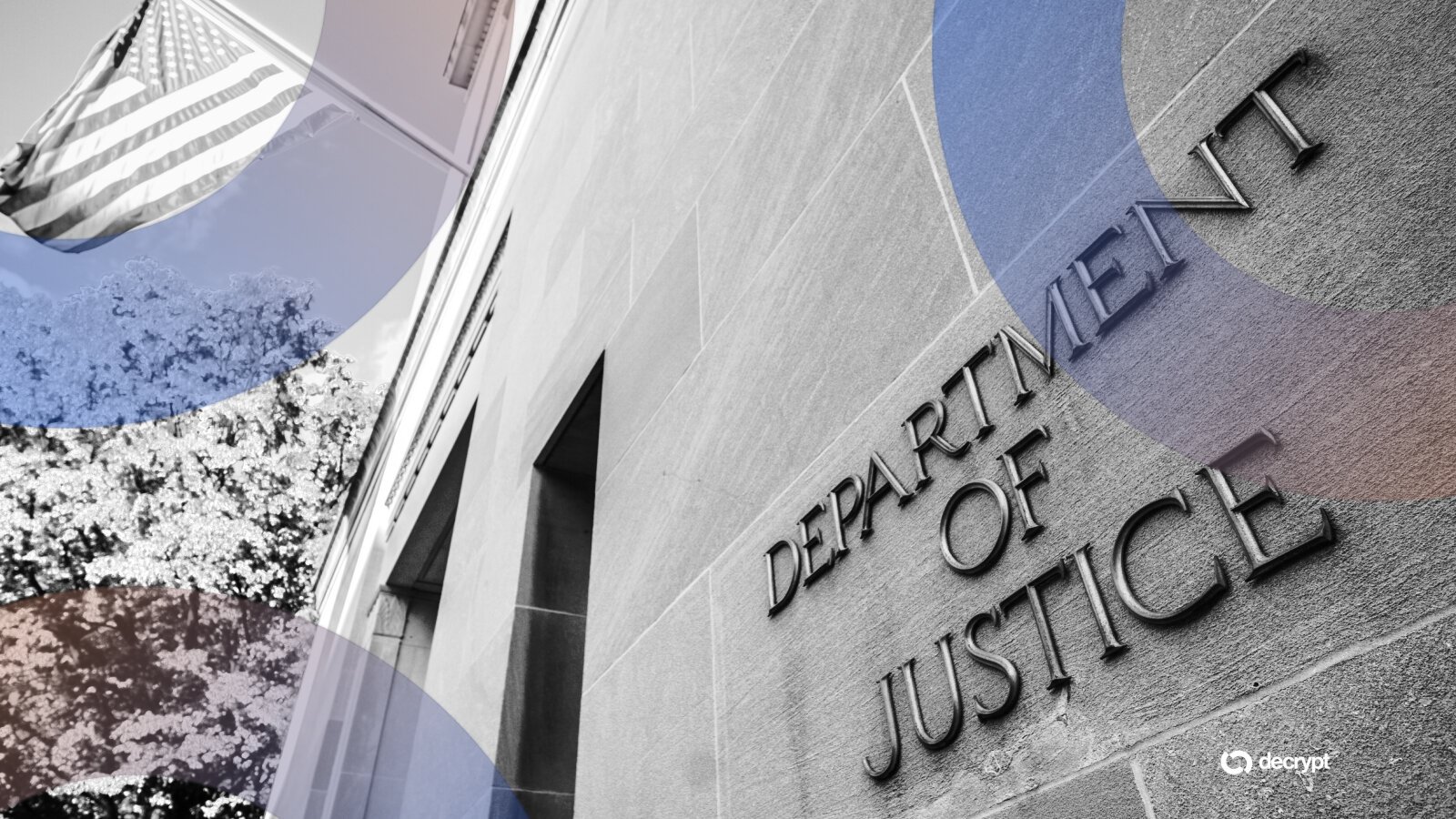
On Tuesday, the U.S. Department of Justice (DOJ) announced the seizure of the domain tickmilleas.com, which was operated from the Tai Chang compound, also known as Casino Kosai, in Kyaukhat, Burma. According to the DOJ, the domain was central to a "compound scam," presenting victims with a fraudulent trading platform that displayed fake balances and returns to lure investments. The same day, the sanctioned Huione Group in Cambodia closed its Phnom Penh branches and froze withdrawals after being cut off from global banking channels. Following alerts from the Federal Bureau of Investigation (FBI), major tech platforms including Google, Apple, and Meta took swift action, removing linked mobile apps and over 2,000 associated social media accounts. These parallel actions represent a concerted push to disrupt the digital and financial lifelines of sprawling fraud networks that exploit cryptocurrency and trafficked labor.
Anatomy of a "Compound Scam": The Tai Chang Operation
The seizure of tickmilleas.com provides a window into the sophisticated mechanics of modern, large-scale crypto fraud. The U.S. Department of Justice stated that the domain was set up to appear as a legitimate trading platform. Scammers operating from the Tai Chang compound used it to show victims fabricated balances and impressive-looking returns, then instructed them on how to deposit funds. Despite the domain being registered as recently as early November 2025, the FBI had already identified multiple victims who were defrauded through it in the preceding month.
A "compound scam" refers to organized fraud operations run from large buildings or compounds where individuals, often victims of human trafficking or coercion, are forced to carry out online scams. Officials have linked the Burma compound to groups sanctioned just last month for their ties to Chinese organized crime and their role in developing scam centers across the region. These operations represent an industrial-scale approach to cyber-fraud, merging organized crime with digital asset exploitation.
The Tech Frontline: Platforms Act on FBI Alerts
The disruption of this scam extended beyond domain seizure into the app and social media ecosystems crucial for victim recruitment. After being alerted by the FBI, Google and Apple removed related mobile applications from their respective stores, while Meta took down more than 2,000 associated Facebook and Instagram accounts. This rapid response underscores the increasing collaboration between law enforcement and Big Tech in combating cyber-enabled financial crime.
The DOJ affidavit detailed the common methodology, known as "CIF" or Cryptocurrency Investment Fraud scams: "These strangers form close virtual relationships with their victim targets, convince them to make purported investments in or using cryptocurrency, and direct victims on how to purchase cryptocurrency and invest it using fraudulent domains and applications that appear legitimate." This method of initial contact—through dating apps, social media, messaging platforms, and texts—makes tech companies essential partners in identifying and shutting down fraudulent networks before they can attract more victims.
Regional Crackdown: From Burma to Cambodia
The action in Burma is not an isolated event but part of a broader regional crackdown. It followed closely on the heels of sanctions imposed on Cambodia’s Huione Group, a financial conglomerate linked by regulators to billions of dollars in illicit transactions. After losing access to the global banking system in October due to these sanctions, Huione Group was forced to wind down its operations, shuttering its Phnom Penh branches and freezing customer withdrawals.
This two-pronged attack demonstrates a strategic shift by U.S. and allied agencies. By targeting both the operational infrastructure (like scam domains and apps) and the financial infrastructure (like payment processors and conglomerates), authorities aim to apply pressure at every point in the fraud ecosystem. The DOJ noted that prosecutors have already seized two other domains linked to the Tai Chang compound in recent weeks, indicating an ongoing campaign against this specific network.
The Scale of the Problem: Billions Lost to Crypto Fraud
The context for these aggressive actions is a staggering rise in crypto-related investment fraud. The Department of Justice cited that last year alone, more than 41,000 cases of cryptocurrency investment fraud were reported in the U.S., with associated losses reaching $5.8 billion. This figure underscores why such scams have become a priority for law enforcement agencies worldwide.
The global nature of the threat was emphasized in a report last month by the Interpol General Assembly, which stated that crypto fraud was at the core of the growing scam-compound industry. Interpol explained: “Often under the pretext of lucrative overseas jobs, victims are trafficked into compounds where they are forced to carry out illicit schemes such as voice phishing, romance scams, investment fraud, and cryptocurrency scams targeting individuals worldwide.” This creates a dual-victim paradigm: individuals trafficked into running the scams, and individuals globally defrauded out of their savings.
Historical Context & Evolving Enforcement Tactics
While crypto scams are not new, the industrial "compound" model represents a dangerous evolution. Historically, many crypto frauds were conducted by decentralized groups or individuals operating online. The rise of these physical compounds, often linked to transnational organized crime syndicates, marks a shift toward centralized, high-volume operations that leverage both human exploitation and digital tools.
The enforcement response has also evolved. Earlier actions often focused on arresting individuals or shutting down single fraudulent websites. The current strategy, as seen this week, is more comprehensive: seizing key digital properties (domains), purging supporting apps and social media accounts, and applying severe financial sanctions to cripple backend banking and money laundering channels. This multi-agency, multi-jurisdiction approach reflects lessons learned from years of combating similar cybercrimes.
Conclusion: A Sustained Campaign and Its Implications
The seizure of tickmilleas.com and the collapse of Huione Group signify a new phase in the international fight against organized crypto fraud. For participants in the cryptocurrency space, these developments are a stark reminder of the persistent risks posed by sophisticated scammers and the critical importance of rigorous due diligence before engaging with any trading platform or investment opportunity.
The broader market insight is that regulatory and law enforcement scrutiny of crypto's illicit uses is intensifying globally, particularly at intersection points with traditional finance and big tech platforms. For readers and investors, vigilance remains paramount. Watch for continued collaboration between global regulators targeting other financial conduits for scam operations. Furthermore, observe how tech platforms enhance their own monitoring and removal policies for fraudulent financial apps and profiles based on these law enforcement partnerships.
Ultimately, while such enforcement actions disrupt specific operations, they also highlight an ongoing cat-and-mouse game. As one domain falls and one group is sanctioned, others may emerge. Therefore, the key takeaway is not that the threat has been eliminated, but that a sustained, infrastructure-focused campaign is underway—a necessary step in protecting the integrity of the evolving digital asset ecosystem and its users worldwide