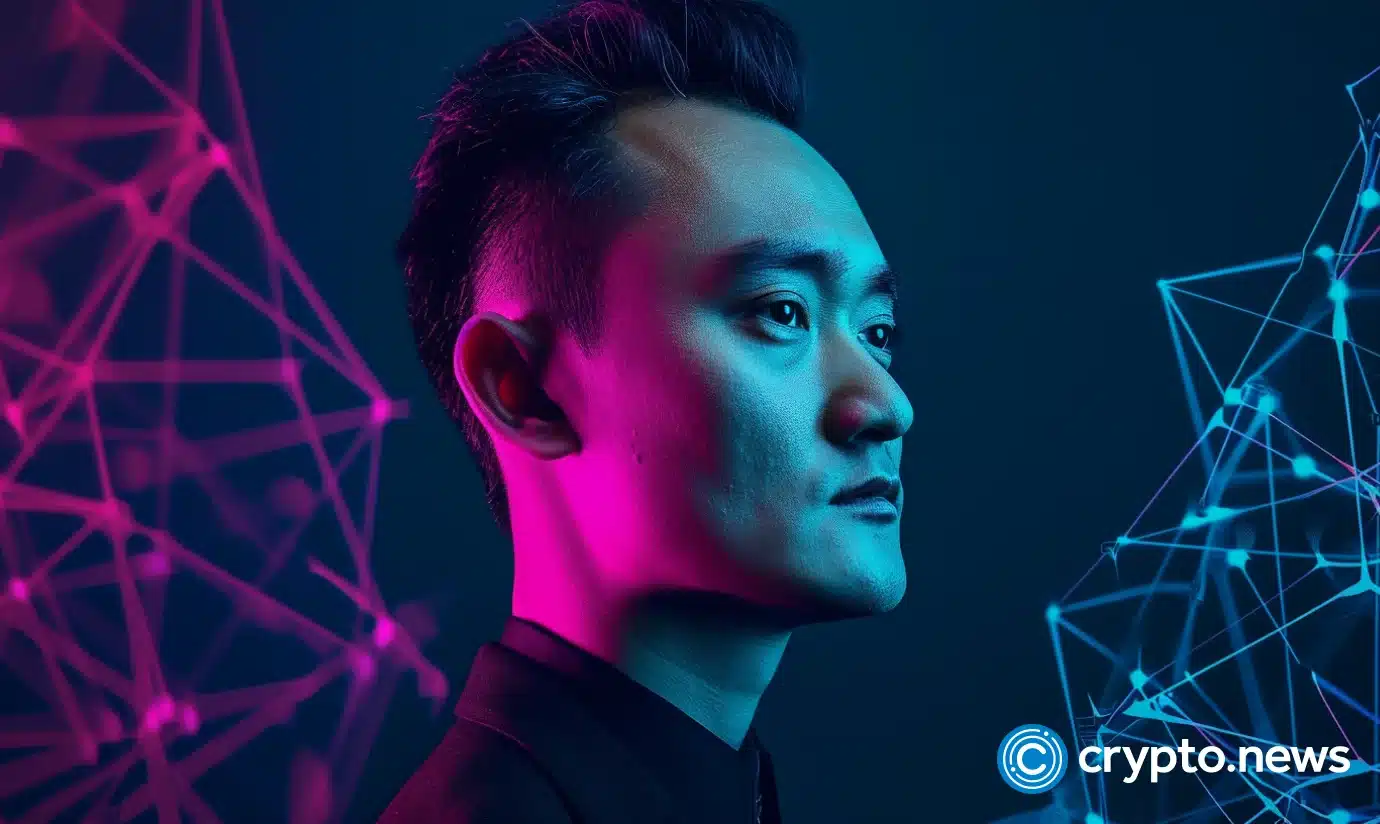
Justin Sun Confronts $456M TUSD Reserve Gap in Hong Kong Media Briefing: A Deep Dive into the TrueUSD Crisis
Introduction
In a rare and assertive public appearance, Justin Sun, the prominent cryptocurrency entrepreneur, addressed the escalating $456 million TrueUSD (TUSD) reserve crisis during a media briefing in Hong Kong. The event, held on Nov. 27 and themed “Truth Unveiled, Justice Revealed,” marked a significant escalation in Sun’s public involvement in the dispute. He presented new claims alleging that custodial partners mismanaged TUSD reserves by funneling them into high-risk, unauthorized investments between 2021 and 2022. Sun revealed that he personally intervened with a nearly $500 million injection earlier this year to stabilize the stablecoin, preventing a potential de-pegging event. As legal battles intensify across Hong Kong and Dubai, with the latter’s court imposing a worldwide asset freeze, the briefing served as a pivotal moment, outlining Sun’s narrative of the crisis and his calls for enhanced regulatory oversight in the digital asset space.
The Hong Kong Briefing: Sun’s Allegations and New Claims
The November 27 media briefing provided a platform for Justin Sun to articulate his most detailed account of the TUSD reserve shortfall to date. Moving beyond corporate statements, Sun’s in-person address signaled the gravity of the situation and his personal stake in its resolution. He framed the event not just as a corporate disclosure but as a quest for transparency and justice, directly engaging with the media to shape the narrative. During his presentation, Sun described a scenario where entities entrusted with safeguarding TUSD’s reserves allegedly breached their fiduciary duties. He stated that funds meant to be held in secure, liquid forms were instead directed into illiquid and high-risk ventures without proper authorization. This direct accusation shifts the blame from the core operations of TUSD or its issuing company, Techteryx, onto its third-party custodians, positioning Sun and Techteryx as victims of fiduciary misconduct.
Unpacking the $456 Million Reserve Shortfall
The core of the crisis is a specific and substantial financial gap: a $456 million shortfall discovered in TUSD’s reserves at the start of the year. TrueUSD, as a stablecoin, is designed to maintain a 1:1 peg with the US dollar, meaning every TUSD in circulation should be backed by an equivalent amount of dollar-denominated assets held in reserve. The discovery of this shortfall immediately threatened this fundamental promise. According to the accounts presented, Techteryx found that a significant portion of the reserves was no longer in low-risk, cash-equivalent assets but was tied up in investments that could not be quickly liquidated. This created a direct liquidity risk; if a large number of users had attempted to redeem their TUSD for US dollars simultaneously, the issuer would have been unable to fulfill all requests, potentially causing a "bank run" scenario and breaking the stablecoin's peg.
The Key Players: First Digital Trust and Aria Commodities
In his briefing, Justin Sun identified two central entities in the alleged diversion of funds: First Digital Trust and Aria Commodities. According to Sun’s narrative, First Digital Trust, acting in a custodial role, was responsible for holding and managing the TUSD reserves. It is alleged that this trust facilitated the movement of funds to Aria Commodities, a firm linked to financier Matthew William Brittain. Once under the control of Aria Commodities, the reserve capital was reportedly channeled into commodity financing and mining ventures. These types of investments are characteristically illiquid and carry higher risk compared to the treasury bills or cash deposits typically used to back major stablecoins. This shift in asset allocation from secure, liquid reserves to speculative, hard-to-sell positions is presented as the primary mechanism that created the $456 million reserve gap.
The Emergency Bailout: Justin Sun’s $500 Million Intervention
Faced with the imminent threat of a liquidity crisis and a potential collapse of TUSD’s peg, Justin Sun disclosed that he took decisive personal action in early 2025. He stated that he injected nearly $500 million of his own capital to cover the reserve shortfall and stabilize the stablecoin. This intervention was critical in restoring confidence in TUSD during a period of significant market stress. By backstopping the reserves, Sun’s capital infusion ensured that redemption requests could be met and the 1:1 peg with the US dollar was preserved. This move draws parallels to other moments in crypto history where founders or large holders have intervened to protect their projects, though Sun’s direct financial commitment on this scale is notable. His action effectively separated the operational stability of TUSD from the ongoing legal dispute over the missing funds.
The Legal Front: Asset Freezes in Dubai and Proceedings in Hong Kong
The dispute has spawned complex, multi-jurisdictional legal actions. In Hong Kong, Techteryx has pursued legal action against its custodians to regain control of the missing assets. Concurrently, a significant development occurred in Dubai, where the DIFC Court imposed a worldwide asset freeze on the disputed $456 million. This freeze was granted on the grounds that there was credible concern the funds could be moved or concealed, making recovery impossible. The court later reaffirmed this freeze, indicating strong preliminary evidence supporting Techteryx's claims. Justin Sun publicly welcomed this legal maneuver, describing it as an "important turning point" that could aid in recovering the diverted capital. These parallel proceedings highlight the international nature of digital asset disputes and the growing role of financial hubs like Dubai in providing legal recourse for crypto-related conflicts.
Calls for Regulatory Scrutiny and Trust Oversight
Beyond detailing the alleged misconduct, Justin Sun used the Hong Kong briefing to issue a call for regulatory reform. He specifically urged Hong Kong authorities to enhance their oversight of trust service providers operating within the region. His argument centered on the idea that this incident exposed critical gaps in the existing regulatory framework for entities tasked with holding digital asset reserves. By advocating for "coordinated international enforcement," Sun positioned himself as a proponent of clearer rules and stronger safeguards for the stablecoin ecosystem. This appeal resonates with broader industry discussions following several high-profile failures in crypto, where commingling of funds and lack of transparent custody have been recurring issues.
TUSD’s Current State and Market Position
Despite the tumultuous legal and financial backdrop, TUSD has maintained its 1:1 peg to the US dollar since Sun’s emergency capital infusion. This stability is crucial for user confidence and its utility within cryptocurrency exchanges and DeFi protocols. However, the reserve controversy has undoubtedly impacted its standing relative to other major stablecoins. When compared to behemoths like Tether (USDT) and USD Coin (USDC), which publish regular attestation reports on their reserves, TUSD has faced heightened scrutiny over its transparency and backing. The ongoing legal case keeps a cloud of uncertainty over its operations. While it remains a significant player, its scale and market role are now more directly influenced by the outcome of these legal proceedings and its ability to demonstrably ensure full and verifiable reserve backing moving forward.
Conclusion: A Pivotal Case for Crypto Accountability
The confrontation over TUSD's $456 million reserve gap represents more than just a corporate dispute; it is a pivotal case study in accountability, custody, and regulation within the cryptocurrency industry. Justin Sun’s detailed public account in Hong Kong has brought these issues into sharp focus, outlining an alleged failure of third-party fiduciaries that required a massive private bailout to avert a crisis. The ongoing legal battles in Hong Kong and Dubai will be critical to watch, as their outcomes could set important precedents for asset recovery and jurisdictional authority in cross-border crypto disputes. For readers and market participants, key developments to monitor include further rulings from the DIFC Court on the frozen assets, progress in Hong Kong's legal proceedings against First Digital Trust and Aria Commodities, and any formal responses from Hong Kong regulators regarding oversight of trust providers. The resolution of this case will not only determine the fate of the missing funds but also send a powerful signal about the maturity and resilience of the stablecoin market's underlying infrastructure.