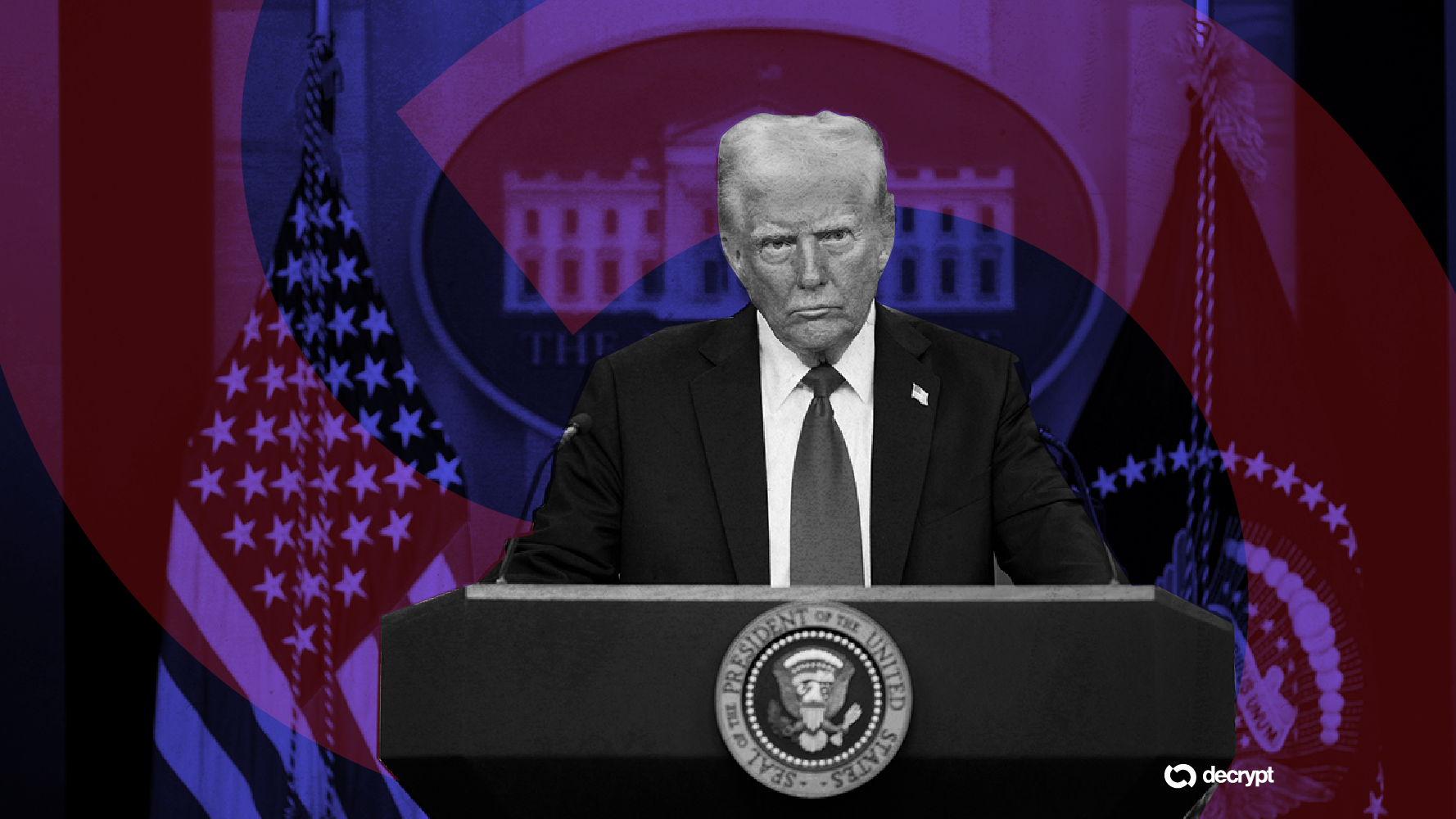
Krugman Blames Trump’s Poll Slump for Bitcoin Price Decline: An Analysis
Introduction: The Unraveling of the “Trump Trade”
Bitcoin, the world’s leading cryptocurrency, is navigating turbulent waters. After reaching a staggering new all-time high of $126,080 in October, its price has since retreated, recently hovering around $90,348 according to CoinGecko data. This represents a nearly 30% decline from its peak, sparking debates among investors and analysts about the asset's near-term trajectory. Into this fray steps Nobel Prize-winning economist Paul Krugman, a long-standing critic of Bitcoin, with a provocative thesis. In a recent Substack piece entitled "The Trump Trade is Unraveling," Krugman directly links President Donald Trump's declining polling numbers to Bitcoin's price depreciation. He argues that Bitcoin has effectively become a "bet on Trumpism," and as the President's political power wanes, so too does the value of that bet. This article will dissect Krugman's claims, examine the historical context of the so-called "Trump trade," and explore the broader market dynamics at play beyond political headlines.
Krugman’s Core Argument: Bitcoin as a Political Proxy
In his blog post, Krugman makes a direct causal connection between political fortunes and cryptocurrency valuations. His argument rests on two main pillars.
First, he posits that President Trump’s campaign promises and subsequent policy moves have inextricably linked his political fate to the digital asset market. "Trump's power is visibly diminishing, so the price of Bitcoin, which has in effect become a bet on Trumpism, has plunged," Krugman wrote. He elaborates that this connection was forged because "Trump, whose family has in effect received massive bribes from the crypto industry, has been rewarding that investment with pro-crypto policies." Krugman further contends that "a weakened Trump is less able to work his will on all fronts, including his efforts to promote crypto."
Second, Krugman reiterates his long-held skepticism about Bitcoin's fundamental utility. "What is Bitcoin good for?" he asked. "It isn't money—that is, it isn't a medium of exchange, something you can use to make payments. It isn't a hedge against inflation." In his view, Bitcoin’s value is not derived from these traditional financial use cases but rather behaves like a speculative asset heavily influenced by political sentiment.
The Genesis of the “Trump Trade”
To understand Krugman's perspective, it's crucial to examine the events that created the phenomenon he describes. The "Trump trade" refers to a market narrative that emerged around President Trump's election win and his embrace of the cryptocurrency sector.
This narrative gained significant traction earlier in 2025 when Bitcoin surged to new highs. Many market participants credited Trump's return to office and his pro-crypto stance for this bullish momentum. The president campaigned explicitly on a platform to help the digital asset space, attracting donations from crypto industry leaders. His administration signed pro-crypto laws, reinforcing the perception of a friendly regulatory environment.
Furthermore, Trump’s personal involvement in the space added fuel to the fire. Just days before he entered the White House, the president debuted his own Solana-based meme coin, "Official Trump." This move, alongside reports that his sons have been involved in digital asset-related ventures, cemented the association between the Trump brand and the crypto market in the public consciousness.
A Volatile Year: Beyond Politics
While the political narrative is powerful, 2025 has demonstrated that Bitcoin's price is subject to a complex web of influences, and not all have been favorable. Despite the pro-crypto laws signed by the Republican administration, the market has experienced significant volatility tied to other macroeconomic factors.
A primary example occurred on October 10, when the crypto space suffered a record $19 billion in liquidations. This massive market move was triggered not by a political poll, but by a threat made against China as part of the president's ongoing trade war. This event highlights that geopolitical tensions and global macroeconomic policy can exert as much, if not more, immediate pressure on cryptocurrency prices as domestic political sentiment.
This volatility has led some experts to suggest that Bitcoin could be entering a bear market. The asset recently fell to a seven-month low of nearly $81,000 before recovering some ground, indicating a period of heightened uncertainty and price discovery.
Krugman’s History of Bitcoin Criticism
Paul Krugman’s latest commentary is not an isolated incident but part of a consistent pattern of skepticism toward Bitcoin. As a Nobel laureate economist with a mainstream Keynesian perspective, he has long questioned the cryptocurrency's foundational value proposition. His criticisms have consistently centered on Bitcoin’s failure to function effectively as a currency—a medium of exchange for everyday transactions—and its perceived shortcomings as a reliable store of value or inflation hedge.
By framing Bitcoin’s recent price action as a reaction to political polls, Krugman is extending his longstanding argument that the asset lacks intrinsic value. In his view, its price is driven by narratives and speculation rather than fundamental utility, making it vulnerable to shifts in sentiment, such as those generated by political developments.
Market Sentiment vs. Economic Theory
Despite Krugman’s bearish outlook and the recent price downturn, not all market indicators point to prolonged pessimism. Data from Myriad—a prediction market operated by Decrypt's parent company, Dastan—offers a contrasting perspective on trader sentiment.
As of this writing, users on Myriad remain optimistic about Bitcoin's prospects. They assign a more than 70% likelihood that Bitcoin's next major price move will be a rise to $100,000, significantly outweighing the probability of a plunge to $69,000. This divergence between a prominent economist's theoretical critique and the aggregated beliefs of market participants on a prediction platform underscores the ongoing debate about what truly drives cryptocurrency valuation.
It suggests that while political developments may influence short-term volatility, a substantial cohort of investors maintains confidence in Bitcoin's longer-term trajectory based on other factors.
Conclusion: Navigating a Multi-Faceted Market
Paul Krugman’s assertion that President Trump’s poll numbers are dragging down Bitcoin’s price provides a compelling, politically charged narrative for the recent market correction. There is undeniable evidence of a "Trump trade" narrative that influenced the market earlier this year, and it is plausible that political uncertainty is contributing to current volatility. The close ties between the Trump administration and the crypto industry are well-documented, from campaign donations and pro-crypto policies to the launch of the "Official Trump" meme coin.
However, attributing Bitcoin's price movement solely to one political factor is an oversimplification. The record liquidations triggered by trade war threats demonstrate that global macroeconomic events remain potent drivers of market sentiment. Furthermore, underlying questions about Bitcoin's use cases—as raised by Krugman and others—continue to form a backdrop against which all price action occurs.
For professional crypto readers, the key takeaway is the importance of a multi-factor analytical framework. While monitoring political developments is essential, it is equally critical to watch:
- Macroeconomic Indicators: Interest rates, inflation data, and geopolitical tensions.
- On-Chain Metrics: Network activity, holder behavior, and exchange flows.
- Global Regulatory Shifts: Changes in crypto policy not only in the U.S. but also in key markets like Europe and Asia.
The future price of Bitcoin will likely be determined by the interplay of all these elements, not just the fate of a single political figure. The market's next significant move—whether toward $100,000 or lower—will be the ultimate test of which forces are truly in command.