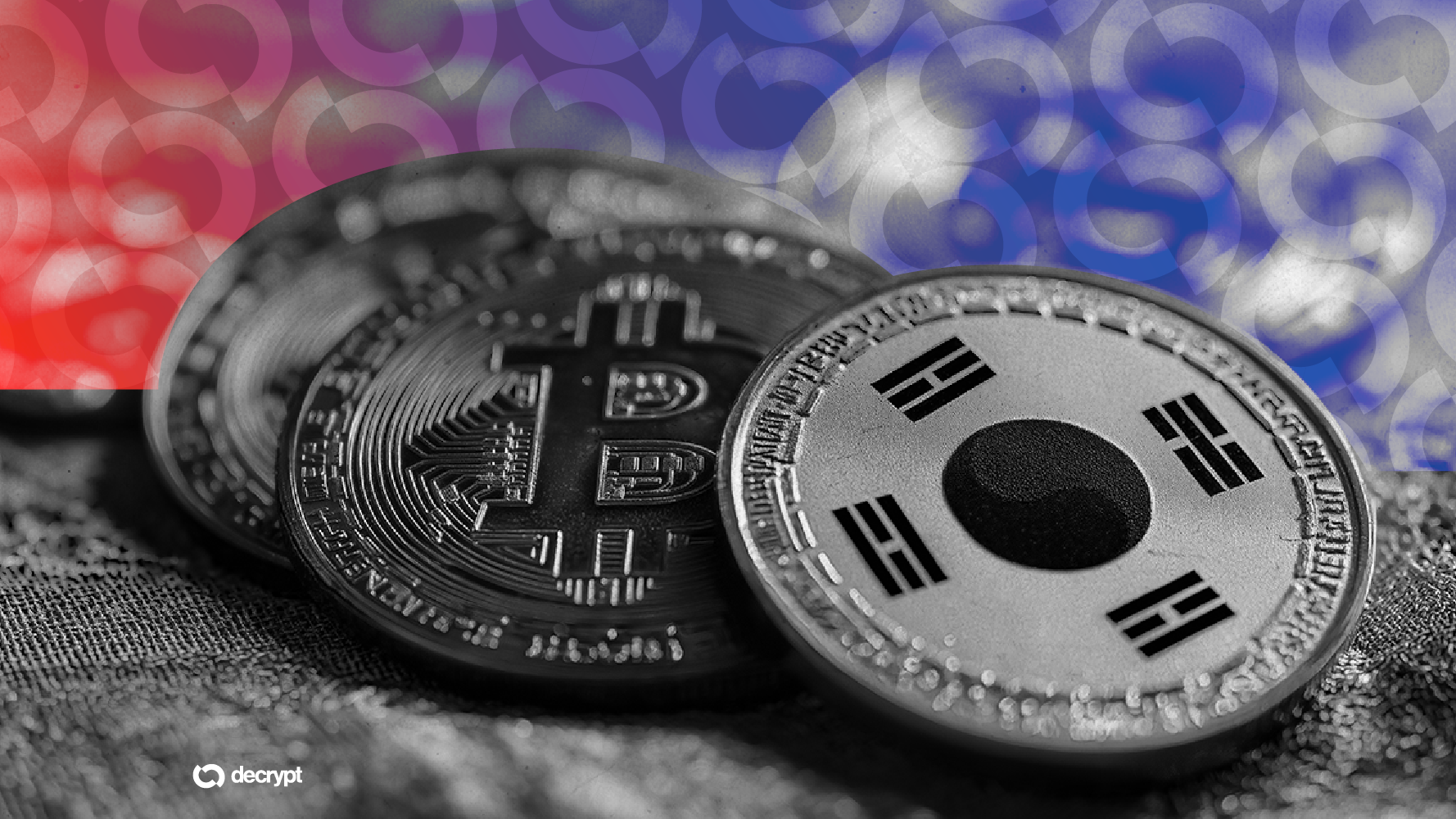
Naver's $10.3B Dunamu Acquisition: A Strategic Gambit for South Korea's Booming Stablecoin Market
Introduction: A Landmark Deal at the Intersection of Tech and Crypto
In a move that signals a seismic shift in South Korea's digital asset landscape, Naver Financial has agreed to acquire Dunamu, the operator of the nation's largest cryptocurrency exchange Upbit, in an all-stock deal valued at a staggering $10.29 billion. The agreement, finalized on Wednesday, awaits the final green light from South Korea’s Fair Trade Commission. This merger is more than a simple corporate acquisition; it is a strategic fusion of traditional tech power and crypto-native expertise, designed to create a dominant force in the burgeoning digital economy. At the heart of this colossal deal lies a clear and ambitious target: to capture and lead South Korea's rapidly expanding stablecoin market, a sector increasingly viewed as the critical bridge between conventional finance and the world of blockchain.
The structure of the acquisition is particularly noteworthy. Naver will issue 2.54 new shares for every share in Dunamu, absorbing the crypto firm as a wholly owned subsidiary. In a twist that underscores the value Naver places on Dunamu's leadership and vision, this arrangement will make Dunamu’s executives the largest shareholders in the parent company, Naver Financial. This ensures that while Dunamu integrates into the Naver ecosystem, its innovative drive will continue to influence the combined entity's strategic direction.
The Mechanics of the Merger: An All-Stock Power Play
The $10.29 billion all-stock transaction is a defining feature of this landmark deal. By opting for an equity-based acquisition rather than a cash buyout, Naver Financial is not merely purchasing an asset; it is fundamentally aligning its future with that of Dunamu. The share exchange ratio of 2.54:1 meticulously values Dunamu and sets the stage for a deep, structural integration.
According to the official filing, both companies will continue to operate their existing businesses independently following the merger. This "business as usual" approach is crucial for maintaining stability and user trust during the transition, especially for Upbit, which handles a significant portion of South Korea's crypto trading volume. However, the filing also explicitly states that the companies will "review various restructuring plans to secure future growth engines through functional and organic cooperation." This indicates that the initial phase will focus on synergy and collaboration, with more profound structural changes likely to follow once regulatory approval is secured and integration plans are solidified.
Leadership Dynamics: Dunamu Becomes Naver's Largest Shareholder
A particularly compelling aspect of this acquisition is the resultant shift in ownership dynamics. Despite being absorbed as a subsidiary, Dunamu's leadership is poised to become the largest shareholder bloc in Naver Financial. This is a significant departure from typical acquisition models where the acquired company's influence often diminishes.
This strategic decision by Naver serves multiple purposes. First, it acts as a powerful incentive mechanism, ensuring that Dunamu's founders and key executives remain deeply invested—both financially and operationally—in the long-term success of the merged entity. Second, it acknowledges that Dunamu's expertise in the complex and rapidly evolving crypto sector is indispensable. By granting them a major stake in Naver's future, the tech giant is effectively betting that Dunamu's vision and experience are critical to navigating the convergence of tech, finance, and digital assets.
The Central Pillar: A Concerted Push into the Stablecoin Arena
While the merger has broad implications for South Korea's tech and finance sectors, multiple reports confirm that stablecoin-related initiatives are the central pillar of the Dunamu-Naver alliance. Both companies have independently cultivated ambitions in this sector, and their combination creates a formidable ecosystem to bring these plans to fruition.
The global context for this push is critical. Following the United States' passage of a landmark stablecoin bill in July that provided a regulatory framework for the asset class, other nations, including South Korea, have been spurred into action. Stablecoins—digital tokens pegged to stable assets like fiat currencies—are increasingly recognized not as speculative instruments, but as essential infrastructure for payments, remittances, and connecting traditional economies to blockchain-based financial systems.
Dunamu had already laid the groundwork for this initiative. In July, the company revealed concrete plans for a Korean won-backed stablecoin that would be issued by Naver. Furthermore, recognizing that scalability and cost are paramount for retail payments, Dunamu has developed a proprietary layer-2 Ethereum network specifically engineered to facilitate fast and low-cost stablecoin transactions.
Dunamu’s Preparedness: The Upbit Ecosystem and Layer-2 Infrastructure
Dunamu enters this merger not as a blank slate but as a fully operational powerhouse with a clear technological roadmap. Its flagship product, the Upbit exchange, provides an immediate and massive user base for any new financial products launched by the merged company, including stablecoins. The existing liquidity, brand recognition, and regulatory compliance frameworks of Upbit are invaluable assets.
The development of a dedicated layer-2 Ethereum network for stablecoins demonstrates foresight. Ethereum's mainnet, while secure, can suffer from network congestion and high transaction fees (gas fees), making it less ideal for small, frequent retail payments typical of daily commerce. A layer-2 solution built on top of Ethereum addresses these limitations by processing transactions off-chain before bundling them and settling them on the mainnet. This provides the security of Ethereum with the speed and low cost necessary for a viable payment stablecoin. This technical preparation shows that Dunamu's stablecoin strategy is not merely conceptual but is backed by tangible, scalable infrastructure.
The Regulatory Hurdle: Awaiting Fair Trade Commission Approval
No deal of this magnitude in South Korea can proceed without rigorous regulatory scrutiny. The proposed acquisition now sits before the country’s Fair Trade Commission (FTC), which must assess its impact on market competition and consumer welfare.
The FTC's review will likely examine whether the combination of Naver's extensive fintech and data capabilities with Dunamu's dominance in crypto trading could create an anti-competitive environment that stifles innovation or harms consumers. The companies have preemptively addressed some concerns by emphasizing that their existing businesses will continue to operate independently post-merger. However, the FTC will perform its own independent analysis to determine if any conditions or divestitures are necessary before granting approval. The outcome of this review is the single most important near-term determinant for whether this strategic vision can become a reality.
Broader Market Implications: Traditional Finance and Crypto Converge
The Naver-Dunamu deal is a bellwether for a larger global trend: the accelerating convergence of traditional finance (TradFi) and the cryptocurrency market. This is not an isolated event but part of a pattern where established technology and financial giants are seeking to embed digital assets into their core offerings.
This merger uniquely positions the new entity to act as a comprehensive gateway between South Korea's robust traditional economy and its vibrant digital asset space. Naver brings its vast user base across search, e-commerce, and financial services, while Dunamu contributes its deep blockchain expertise and a regulated trading platform. Together, they can create a seamless experience where users can move from online shopping and peer-to-peer payments using Naver Pay directly into crypto investments and stablecoin-based transactions on Upbit, all within an interconnected ecosystem.
Strategic Conclusion: Forging a New Digital Finance Giant in Asia
The proposed $10.29 billion acquisition of Dunamu by Naver Financial is far more than a headline-grabbing transaction. It is a meticulously calculated strategic move to create a dominant integrated platform at the forefront of South Korea's digital finance evolution. By combining Naver's technological scale and payment infrastructure with Dunamu's crypto market leadership and sophisticated stablecoin plans, the merged company is poised to define the next chapter of how digital assets are used in everyday economic life.
For observers and participants in the crypto market, this deal underscores several key trends: the immense value placed on regulated crypto-native businesses by traditional tech giants, the strategic primacy of stablecoins as payment rails rather than just trading instruments, and the critical importance of scalable layer-2 solutions for mass adoption.
What to Watch Next: The immediate focus is squarely on the decision from South Korea’s Fair Trade Commission. Its ruling will either unlock this potential or force a reconsideration of strategy. Following regulatory approval, attention should turn to the specific launch timeline for the won-backed stablecoin issued by Naver and the performance metrics of Dunamu's proprietary layer-2 network. The success of this ambitious venture will depend on its execution—seamlessly integrating two corporate cultures, navigating an evolving regulatory landscape, and delivering a stablecoin product that is secure, scalable, and widely adopted by both merchants and consumers. This merger has set the stage; now,the world watches to see if this new titan can deliver on its promise to bridge two worlds