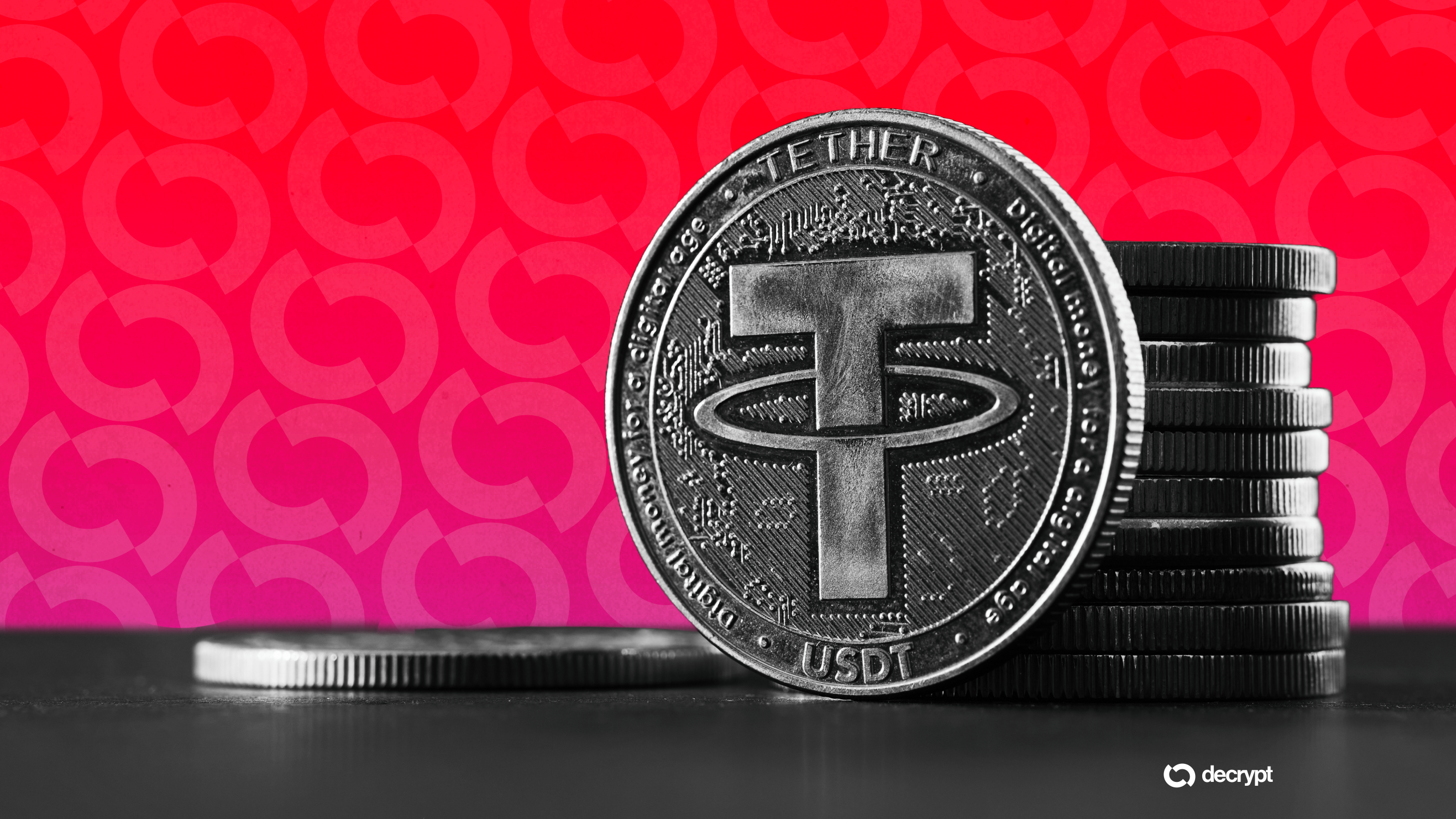
S&P Downgrades Tether's USDT Rating to 'Weak' Over Bitcoin Backing Risks: A Deep Dive into Stablecoin Stability
Introduction
In a move that has sent ripples through the cryptocurrency industry, S&P Global Ratings has downgraded its assessment of Tether’s USDT, assigning the world’s largest stablecoin a "weak" rating. The central issue cited by the credit ratings provider is the composition of Tether's reserves, specifically highlighting the inclusion of volatile assets like Bitcoin as a significant risk. This development strikes at the core of USDT's fundamental promise: to maintain a 1:1 peg with the U.S. dollar. The downgrade raises critical questions about transparency, risk management, and the very backbone of the digital asset economy. While Tether has vehemently rejected the assessment, pointing to its decade-long operational history and resilience during market shocks, the S&P report underscores a persistent concern among regulators and investors alike. This article will dissect the rationale behind the downgrade, analyze Tether's response, and contextualize this event within the broader history of stablecoin stability.
Understanding the S&P Downgrade: A "Weak" Rating Explained
On Wednesday, S&P Global Ratings issued its report, formally downgrading USDT's ability to maintain its dollar peg. The "weak" rating is a direct reflection of S&P's concerns regarding the assets backing the stablecoin. The report explicitly states that USDT could become "undercollateralized" if the value of its reserve assets declines. This means that in a adverse market scenario, the value of Tether's holdings might not be sufficient to cover the total value of all USDT in circulation, potentially breaking its peg.
The report identifies several key weaknesses. Beyond the asset risk, S&P highlighted "limited transparency on reserve management and risk appetite, lack of a robust regulatory framework, no asset segregation to protect against the issuer's insolvency, and limitations to USDT's primary redeemability." A particularly pointed criticism was that "Tether continues to provide limited information on the creditworthiness of its custodians, counterparties, or bank account providers." This lack of clarity on where and with whom assets are held has been a long-standing point of contention for the company.
The Core Concern: Bitcoin and High-Risk Assets in Reserves
The most significant new element highlighted by S&P is the risk associated with Tether's holdings of Bitcoin. While the report acknowledges that "a large share of USDT's reserves remains invested in short-term U.S. treasury bills and other U.S. dollar cash equivalents," it is the allocation to more volatile assets that triggered the downgrade.
S&P's analysis directly links Bitcoin's price volatility to USDT's stability: "A drop in the Bitcoin's value, combined with a decline in value of other high-risk assets, could therefore reduce coverage by reserves and lead to USDT being undercollateralized." Essentially, if a significant downturn in the crypto market occurs, the Bitcoin held in Tether's reserves would lose value, eroding the collateral buffer that ensures each USDT is fully backed. This creates a potential feedback loop where stress in the crypto market could directly impact the stability of its primary trading pair.
Tether’s Forceful Rebuttal: A Decade of Resilience
Tether did not take the downgrade lightly. The company issued a statement saying it "strongly disagrees" with S&P Global's rating. Its defense rests primarily on its proven track record. The statement argued that "USDT has operated for more than a decade and has consistently maintained full resilience through banking crises, exchange failures, liquidity shocks, and extreme market volatility." This is a direct reference to its performance during events like the collapse of FTX and multiple banking crises in 2023.
Furthermore, Tether emphasized its redemption history, stating, "Throughout its history, Tether has never refused a redemption request from a verified user." This is a crucial claim intended to demonstrate operational integrity and liquidity even during periods of extreme market stress.
Tether's CEO, Paolo Ardoino, took to X (formerly Twitter) to offer a more confrontational response. He wrote, "We wear your loathing with pride," and criticized traditional rating models as being built for "legacy financial institutions." Ardoino pointed out that these same models had historically given investment-grade ratings to companies that later collapsed, questioning their applicability to a novel asset class like cryptocurrency.
USDT’s Dominant Role in the Crypto Ecosystem
To understand the gravity of S&P's assessment, one must appreciate USDT's colossal role in the digital asset space. According to data from CoinGecko, $76.9 billion worth of USDT tokens were traded across exchanges worldwide in the 24 hours preceding the report. It is consistently the most-traded digital coin and ranks as the third-largest cryptocurrency by market capitalization.
Issued by the El Salvador-based firm Tether, USDT functions as a digital dollar. It is used predominantly by traders to seamlessly enter and exit cryptocurrency positions without having to constantly convert funds back into traditional fiat currency through banks. As such, stablecoins like USDT are widely considered to be the backbone of the crypto economy, providing essential liquidity and stability for trading pairs across thousands of assets.
A History of Scrutiny and Precedent
The concerns raised by S&P are not new. Regulators have previously opened investigations into—and even sued—Tether for allegedly lacking transparency regarding its reserves. The company has, in the past, stated its openness to being independently audited by one of the Big Four accounting firms, though such an audit has not yet been made public.
Furthermore, history provides clear examples of what can happen when stablecoins fail. S&P's report implicitly draws on this context. In 2022, the Terra project imploded after its algorithmic UST stablecoin failed to maintain its peg, creating an estimated $40 billion loss that triggered a cascade of bankruptcies throughout the crypto industry.
More relevant to asset-backed stablecoins was the event in 2023 involving USDC, the stablecoin issued by Circle and ranked as the fourth-most-traded cryptocurrency. USDC temporarily lost its peg, dropping to 87 cents per token, after Circle disclosed that $3.3 billion of its cash reserves were held at Silicon Valley Bank just as it was shut down by regulators. This event demonstrated that even stablecoins perceived as more transparent are vulnerable to specific risks within their reserve holdings.
Strategic Conclusion: Navigating an Evolving Stablecoin Landscape
The S&P downgrade of Tether's USDT to "weak" is a significant event that formalizes long-standing concerns from a major financial institution. It highlights a critical juncture for the entire cryptocurrency market, where foundational elements like stablecoins are being subjected to traditional financial scrutiny. The core tension lies between Tether's demonstrated operational resilience over ten years and S&P's forward-looking risk analysis based on reserve composition and transparency.
For crypto readers and participants, this development underscores several key points:
- Transparency as a Benchmark: The demand for greater transparency regarding custodians, counterparties, and asset composition is becoming a non-negotiable expectation from institutional-grade analysts and regulators.
- Risk Diversification: The event highlights systemic risk; if Bitcoin exposure poses a threat to Tether's stability, it represents an interconnected risk for any project or trader heavily reliant on USDT.
- Historical Precedent: The stability track record of any financial instrument is important but does not immunize it from future risks, as evidenced by past failures in both traditional finance and crypto.
Moving forward, market participants should closely monitor Tether’s quarterly attestation reports for any changes in its reserve allocation strategy or improvements in transparency disclosures. Additionally, observing how other stablecoin issuers like Circle (USDC) respond to this event could signal broader industry shifts toward more conservative reserve management or enhanced regulatory compliance. The S&P report serves as a stark reminder that in the maturing crypto market, perceived stability must be continuously earned through demonstrable risk management and transparent operations.